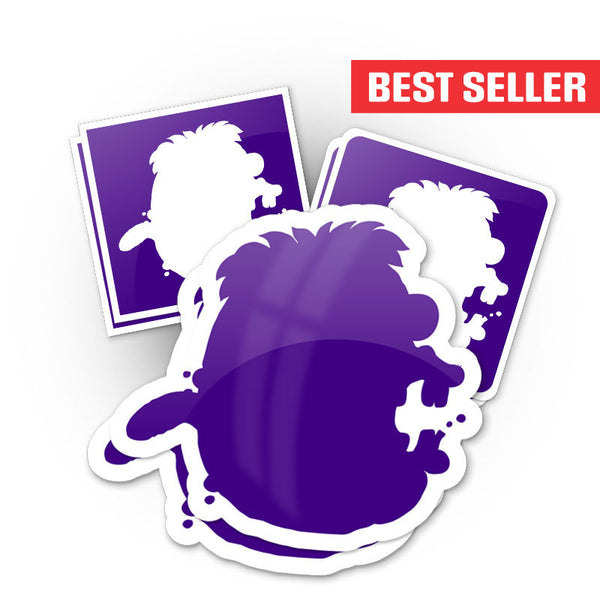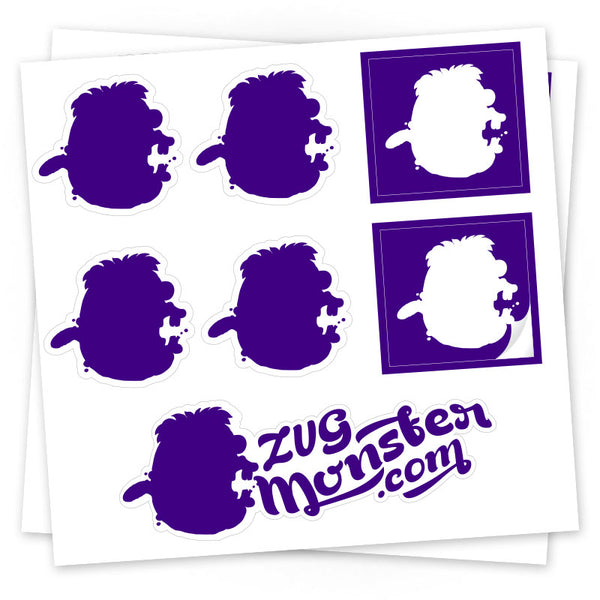

stickers for music merch

Custom Stickers for Music Merch

Create custom stickers for music merch tables, album drops, fan packs, tour bundles, and band packaging with ZUG Monster.
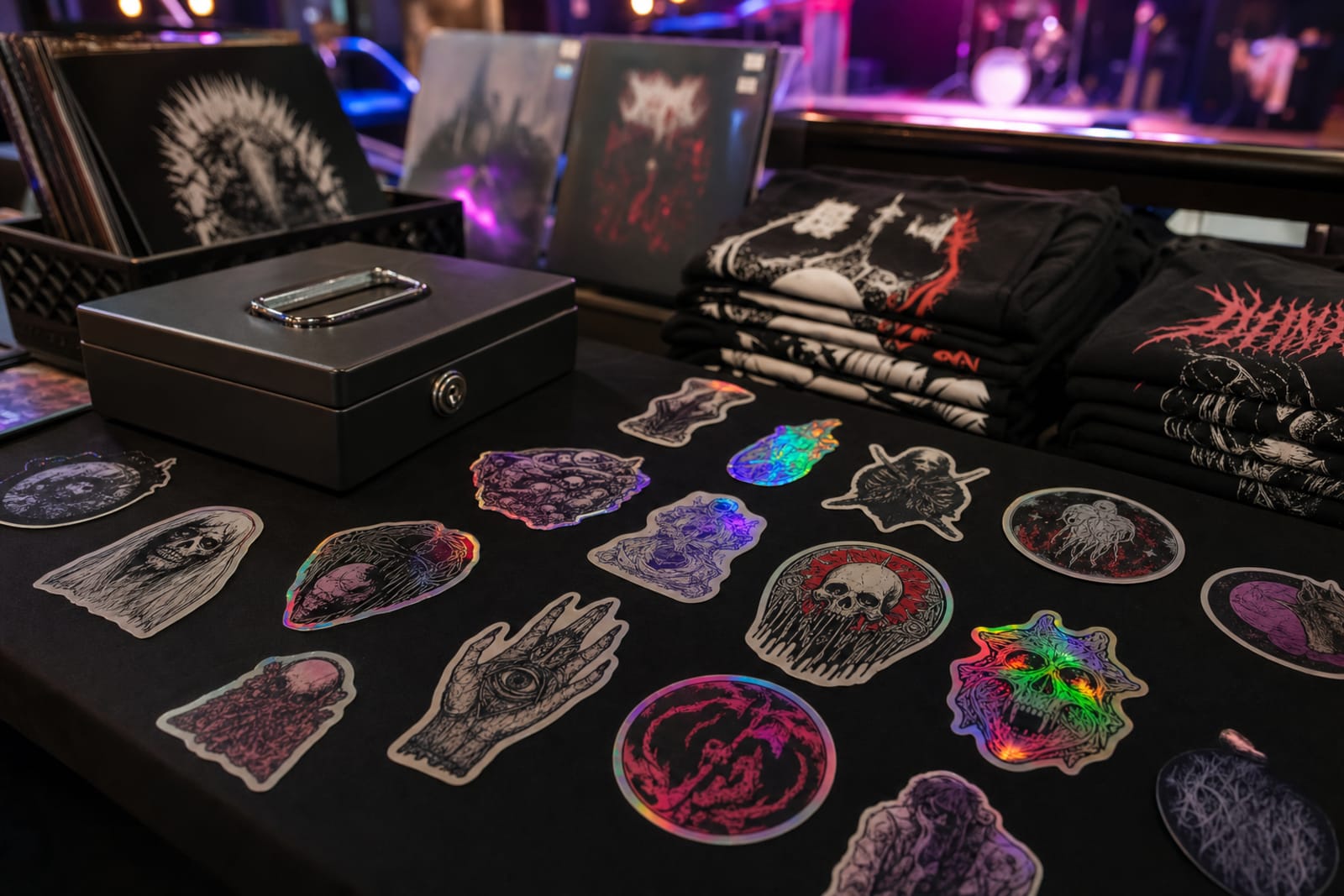
stickers for music merch product photography
  • Fast online proofing
  • Durable materials
  • Easy reorders
  • Small business friendly
stickers for music merch product photography

Stickers For Music Merch deserve more than a generic sales page because the use case has its own surfaces, pacing, and buyer expectations.

For bands, solo artists, music managers, merch companies, record labels, venue promoters, djs, producers, and independent artists, stickers for music merch sit inside a broader system of presentation, storage, handoff, and reorder planning. This guide narrows the decision around surfaces, giveaways, and brand visibility instead of assuming one format works everywhere.

From there, treat each recommendation as a buying checkpoint: surface, audience, application speed, finish mood, reorder rhythm, and the next related product that would genuinely help.

Use Case Tips

  • Create one evergreen logo sticker that can be reordered across multiple album cycles, then add limited designs for tours, singles, or anniversaries.
  • Use die-cut pieces for bold band marks and mascots, but use sticker sheets when you have several small symbols, lyric fragments, or album-era icons.
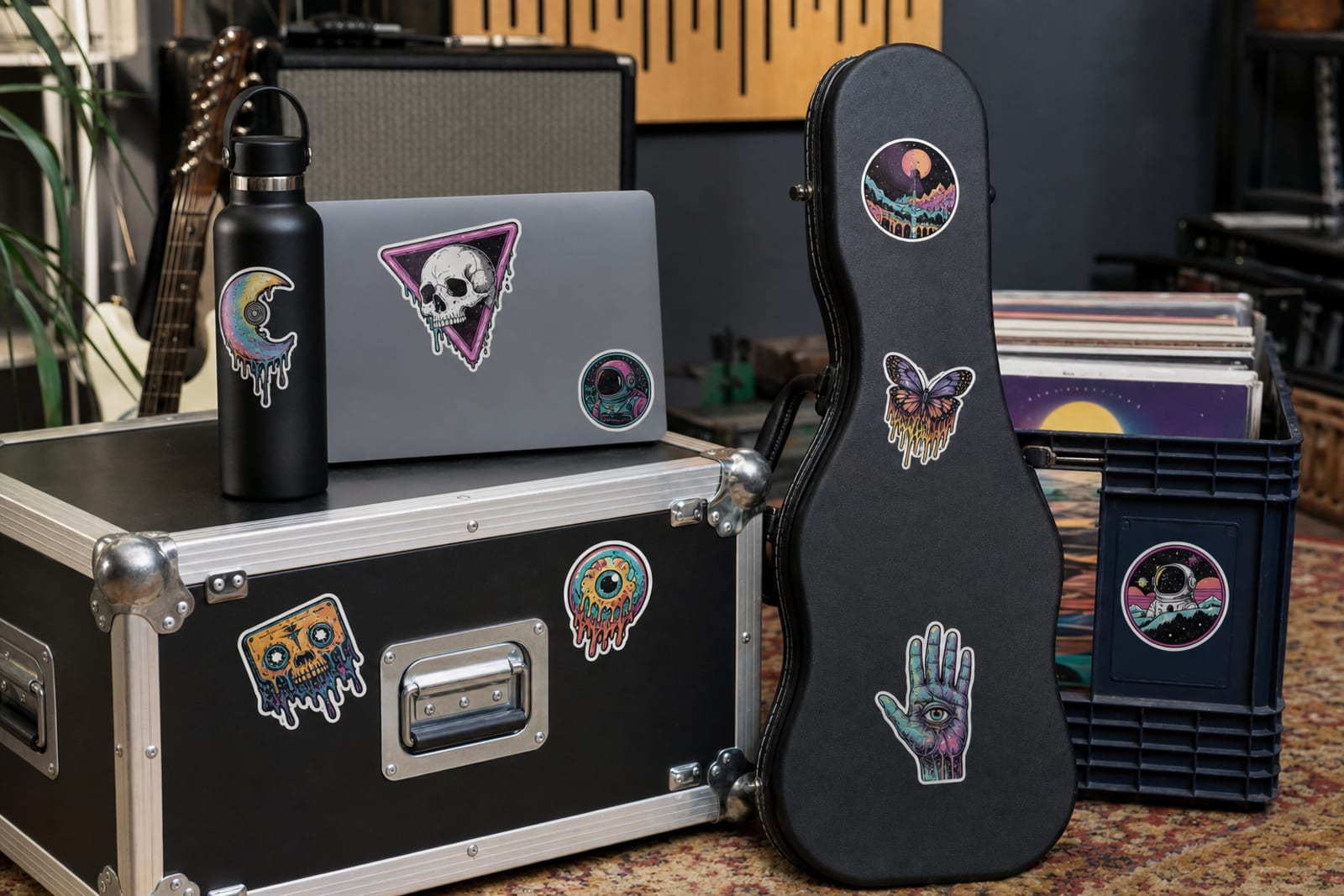
  • Choose waterproof vinyl when fans are likely to place stickers on bottles, laptops, coolers, instrument cases, road cases, or outdoor gear.
  • Keep merch table pricing simple by grouping sticker designs into singles, bundles, or free-with-purchase offers.
  • Avoid placing tiny tour dates or long tracklists on small stickers unless the final print size keeps them readable.
  • Use matte finish for artful, understated, or premium bundles and gloss finish for high-saturation artwork that needs to pop under venue lighting.
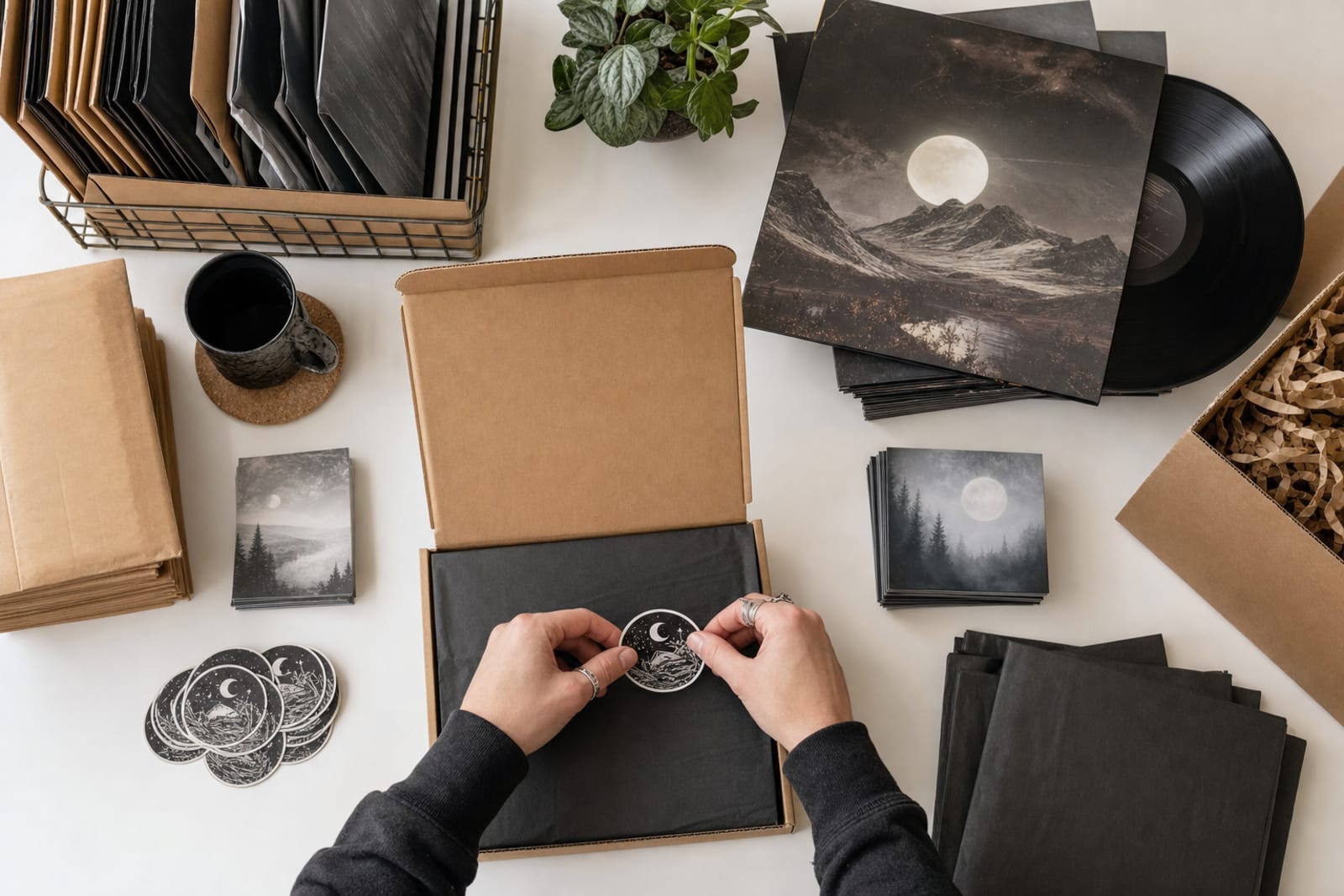
  • Pack tour sticker inventory in labeled sleeves or rigid mailers so designs stay organized and edges do not get bent between cities.
  • Consider a packaging workflow with a branded label outside the mailer and a collectible sticker inside the order.
Why customers love these

Low-barrier merch item fans can buy, collect, trade, or receive as a bonus

Easy to pack for tours, festivals, record store promos, and online orders

Flexible formats for logos, album art, lyric snippets, mascots, and limited-edition tour graphics

Durable material and finish options for laptops, bottles, cases, notebooks, and gear

Simple way to make mailers, fan packs, and VIP bundles feel more intentional

Strong add-on product for increasing perceived value at the merch table

Reorder-friendly for evergreen band logos and repeat label campaigns

Adds practical ordering context for stickers for music merch, including surfaces, finish tradeoffs, and how the piece supports sample packs.

Helps buyers compare the primary format with related options instead of relying on a one-size-fits-all recommendation.

Supports stronger internal linking by connecting this use case to nearby materials, workflows, and product formats.

Gallery

Frequently asked questions

Should band stickers be waterproof?
Waterproof material is a smart choice for many band and artist stickers because fans often put them on bottles, laptops, coolers, road cases, instrument cases, notebooks, and other items that get handled frequently. Not every insert sticker needs to be waterproof, especially if it is mainly a collectible inside a vinyl package, but waterproof vinyl gives you more flexibility. If the sticker may face moisture, outdoor use, sweaty venue handling, or daily wear, choose a durable material and protective finish.
What size should music merch stickers be?
A 3 inch sticker is a strong default for band logos, album icons, and merch table sales because it is visible but still easy for fans to place. Smaller sizes around 2 inches work well for order inserts, mini logos, and sticker sheets. Larger stickers can be great for road cases, vans, gear trunks, or premium bundles, but they should not be so large that fans hesitate to use them. The best size depends on whether the sticker is being sold, bundled, mailed, or collected.
What type of sticker is best for music merch?
die-cut pieces are usually the best starting point for music merch because they make a logo, mascot, or album symbol feel like a finished merch item instead of a flat label. They work well for merch tables, fan packs, laptop stickers, water bottle stickers, and online order inserts. Sticker sheets are a better choice when you have multiple small graphics, such as lyric fragments, icons, mini logos, and album artwork elements. Holographic, clear, and chrome stickers are useful when the finish is part of the merch concept.
Are matte or glossy stickers better for music merch?
Matte and glossy finishes both work, but they create different moods. Matte stickers feel more subtle, artful, and premium, which can be a good fit for indie releases, folk artists, darker artwork, minimalist logos, and deluxe album bundles. Glossy stickers make colors look brighter and can stand out well under merch table lighting, so they are useful for pop, punk, festival, and colorful album graphics. If the design is meant to feel limited or flashy, holographic or chrome may be worth considering.
Can I sell stickers at a merch table and also use them as order inserts?
Yes. Many artists use the same sticker design in multiple ways. A main logo sticker can be sold at shows, included in online orders, added to VIP bundles, and used in street team kits. If you want to separate paid merch from free inserts, create two versions: a larger or specialty finish sticker for sale and a smaller evergreen logo sticker for packaging inserts. This keeps the merch table item feeling valuable while still giving every shipped order a branded touch.
What artwork works best for custom band stickers?
The best artwork is usually bold, readable, and easy to recognize without explanation. Band logos, artist marks, mascots, album symbols, handwritten titles, and short lyric phrases tend to work better than complex poster art reduced to a tiny size. If you want to use album cover artwork, consider simplifying it into one strong icon or creating a sticker sheet with several elements. Avoid thin details near the edge of a die cut shape unless they are important and sturdy enough to peel cleanly.
How many stickers should a band order for a tour?
Start by estimating how stickers will be used. If you plan to sell them, look at expected attendance, number of shows, and whether stickers are a standalone item or part of a bundle. If you plan to give one away with every purchase, estimate your expected merch transactions and add extras for VIP packs, press mailers, replacements, and giveaways. For a short local run, a smaller batch may be enough. For a longer tour or album campaign, ordering more can keep designs consistent and prevent mid-tour shortages.
How should buyers choose a finish for stickers for music merch?
Start with the environment and the brand mood. Matte works well when the piece should feel calm, handmade, premium, or editorial. Gloss can make color feel brighter on customer photos. Clear materials help when the package or container should remain visible. Specialty effects such as holographic or chrome are better for moments where motion, collectability, or retail attention matters. The finish should support the use case, not distract from the information or artwork.
What should bands, solo artists, music managers, merch companies, record labels, venue promoters, djs, producers, and independent artists check before reordering?
Look at one finished example in its real setting. Check whether the size reads clearly, whether the material still looks right after handling, whether staff can apply it consistently, and whether customers understand the intended action. If the piece supports brand kits, review photos, packing speed, leftover inventory, and any customer feedback before increasing the next batch.
Can stickers for music merch support more than one customer touchpoint?
Yes, but the order should separate roles. One version can handle everyday use, another can support a launch, event, or premium bundle, and a related product can cover a second surface or handout. Keeping those roles distinct prevents the design from trying to do too much at once.

Ready to create custom stickers for your business?

Start Your Sticker Order